


Cover FX has officially confirmed it is winding down after more than 25 years in business. If you’re a loyal customer, a makeup artist, or just someone who relied on their foundation lineup, here’s what you actually need to know — and what to do about it.
Table of Contents
ToggleYes, Cover FX Is Closing — Here Is the Official Word
This is not a rumor or a rebranding. Cover FX has publicly stated it is shutting down. Their own Instagram farewell post reads: “As the beauty industry faces new challenges from tariffs to a shifting global market, we’ve made the heartfelt decision to begin winding down the Cover FX business.”
The decision came from AS Beauty, Cover FX’s parent company. This is not a bankruptcy filing or a court-ordered restructuring — it is a voluntary corporate decision to close the brand entirely.
Think of it like a store running a closing-down sale. The website is still live, products are still available on CoverFX.com and Amazon, but once the existing stock is gone, that’s it. No new products will be made or restocked.
The closure has been confirmed by multiple trade publications including NewBeauty, Cosmetics Business, Personal Care Insights, and HPCmagMEA. This is real, and it is permanent — at least as far as current reporting goes.
Why Cover FX Is Shutting Down After 25 Years
The short answer: rising costs, trade tariffs, and a beauty market that has shifted in ways that made the brand economically unviable for AS Beauty to keep running.
AS Beauty specifically cited escalating costs, tariffs on imported goods, and what it called “profound market shifts” as the driving factors. Cosmetics production has become more expensive across the board, and tariffs on imported materials have added pressure that mid-sized brands feel more sharply than large conglomerates with deeper pockets.
There’s also a structural problem that goes beyond Cover FX specifically. Legacy pro-focused brands are getting squeezed from multiple directions at once. Indie brands move faster. Celebrity-backed labels generate instant attention. Retailer-owned lines take up shelf space. And TikTok has completely changed how consumers discover beauty products — rewarding brands that can produce viral content consistently, not brands built around professional credibility and formula quality.
Cover FX was built for makeup artists and consumers who needed wide shade ranges and skin-sensitive formulas. That’s a valuable audience, but it’s a hard one to reach profitably in a market driven by social virality and influencer budgets.
To be clear: this closure is not simply about poor sales. The reasons are more complex than that, which makes the next section even more interesting.
The Paradox — Cover FX Had Just Grown Sales by 828%
Here’s the part that surprises most people. In 2024, AS Beauty launched a full brand refresh for Cover FX. They updated the packaging, modernized the messaging, and reconnected with their core audience. It worked — at least on paper.
According to a Modern Retail interview with Sara Mitzner, VP of brand marketing at AS Beauty, Cover FX sales from February 3 to May 6, 2024 jumped 828% year-over-year following the refresh. That is not a typo.
So how does a brand go from an 828% sales spike to a full shutdown in under two years? This is actually a useful real-world lesson for anyone running or studying a business.
A strong marketing campaign can drive short-term revenue. But it cannot fix structural cost problems. If the cost to produce, import, warehouse, and sell a product keeps rising — and the market environment keeps shifting against you — even impressive growth numbers may not be enough to keep the business viable long-term.
AS Beauty looked at the macro picture: tariffs, rising cost of goods, increasing competition, and shifting retail dynamics. The math didn’t work, even with a refreshed brand and a sales spike. That’s a hard lesson, but it’s an honest one.
What Happens to Cover FX Products Now
If you use Cover FX products regularly, here’s the practical situation right now.
Products are still available on CoverFX.com and Amazon while supplies last. No new inventory will be produced. Once a product or shade sells out, it is gone for good — there is no restock coming.
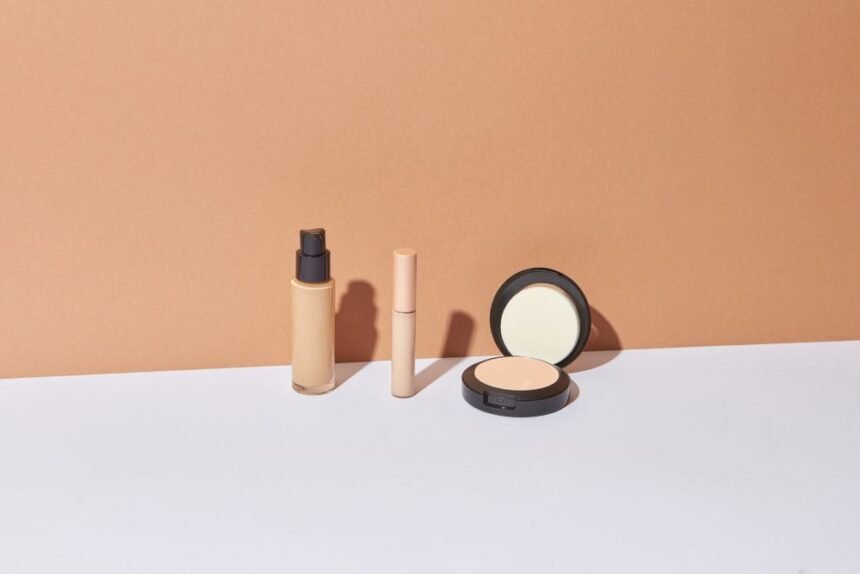
Cult favorites like the Custom Cover Drops and Power Play Foundation will likely sell out fast. Post-announcement demand tends to spike as loyal users rush to stock up, which means popular shades could disappear quickly.
Some third-party retailers may still have remaining inventory to clear, but there is no ongoing distribution plan. Prices on secondary resale markets may climb as specific shades become scarce — this tends to happen with discontinued beauty products that have a dedicated following.
As of the latest reporting, no other company has publicly announced plans to acquire Cover FX or license its formulas. That could change, but there is nothing confirmed right now.
What This Means If You Rely on Cover FX
For Regular Customers
If there’s a specific Cover FX product that works well for you — particularly if you have sensitive skin or a hard-to-match undertone — now is the time to act. Consider buying a backup or two while stock is still available and reasonably priced.
At the same time, start looking for alternatives. Don’t wait until you’ve run out of your last bottle to start testing other brands. Look for complexion-focused brands with similar shade range depth and skin-sensitive formulations, and patch-test before you commit.
For Makeup Artists
If Cover FX Custom Cover Drops are part of your professional kit, this closure creates a real workflow problem. You’ll need to identify replacement products — mixing mediums, foundation adjusters, or comparable coverage bases — and test them on clients before retiring the Cover FX products entirely.
Factor in both cost and performance differences. A product that works in theory may not behave the same way under lights or across different skin types. Give yourself time to test before your current stock runs out.
For Business Observers
The Cover FX closure is a clean case study in how macro pressures can override short-term wins. The brand did many things right in its final stretch — refreshed its identity, reconnected with customers, and drove real sales growth. But the underlying cost structure and market dynamics were working against it at the same time.
For entrepreneurs and brand managers watching this: short-term metrics do not tell the full story. Revenue growth matters, but so does the cost required to sustain it. If your margins are being compressed by factors outside your control — tariffs, input costs, distribution changes — a marketing win buys time, not a solution.
For more practical business analysis like this, Alpha Business Daily covers real examples from across industries without the fluff.
The Bigger Picture for the Beauty Industry
Cover FX is not an isolated case. AS Beauty also shut down Mally Beauty at the same time, citing the same market pressures. These are two separate brands with different audiences, both becoming unviable in the same environment.
The beauty industry is going through a real structural shift. Tariffs are raising production costs. The explosion of new indie and celebrity brands has intensified competition at every price point. And the rise of DTC, Amazon, and TikTok-driven discovery has changed the rules for how brands build awareness and loyalty.
Mid-sized legacy brands — the ones that built their reputations through Sephora, Ulta, and professional artist communities — are feeling this most acutely. They don’t have the marketing budgets of large conglomerates, and they don’t have the viral momentum of new entrants. That’s a difficult position to sustain.
Final Thoughts
Cover FX is closing. That’s confirmed, and it’s permanent based on everything currently reported. The brand spent 25 years building a reputation for inclusive shade ranges and professional-quality formulas, and it ends not because the products stopped working, but because the economics stopped working.
If you’re a customer, act now while stock is available. If you’re watching this from a business perspective, the lesson is worth sitting with: even a successful relaunch cannot always fix what’s broken underneath.
There is no confirmed acquisition or revival plan at this point. The most honest advice is simple — get what you need while you still can, and start finding alternatives before the shelves go empty.
Read Also: